Your summary provides a clear and concise overview of Civilization 7's current situation, but here's a slightly refined version for better flow, tone, and journalistic clarity—ideal for a news article or industry report:
Civilization 7 Faces Early Challenges; Firaxis Promises Major Overhaul
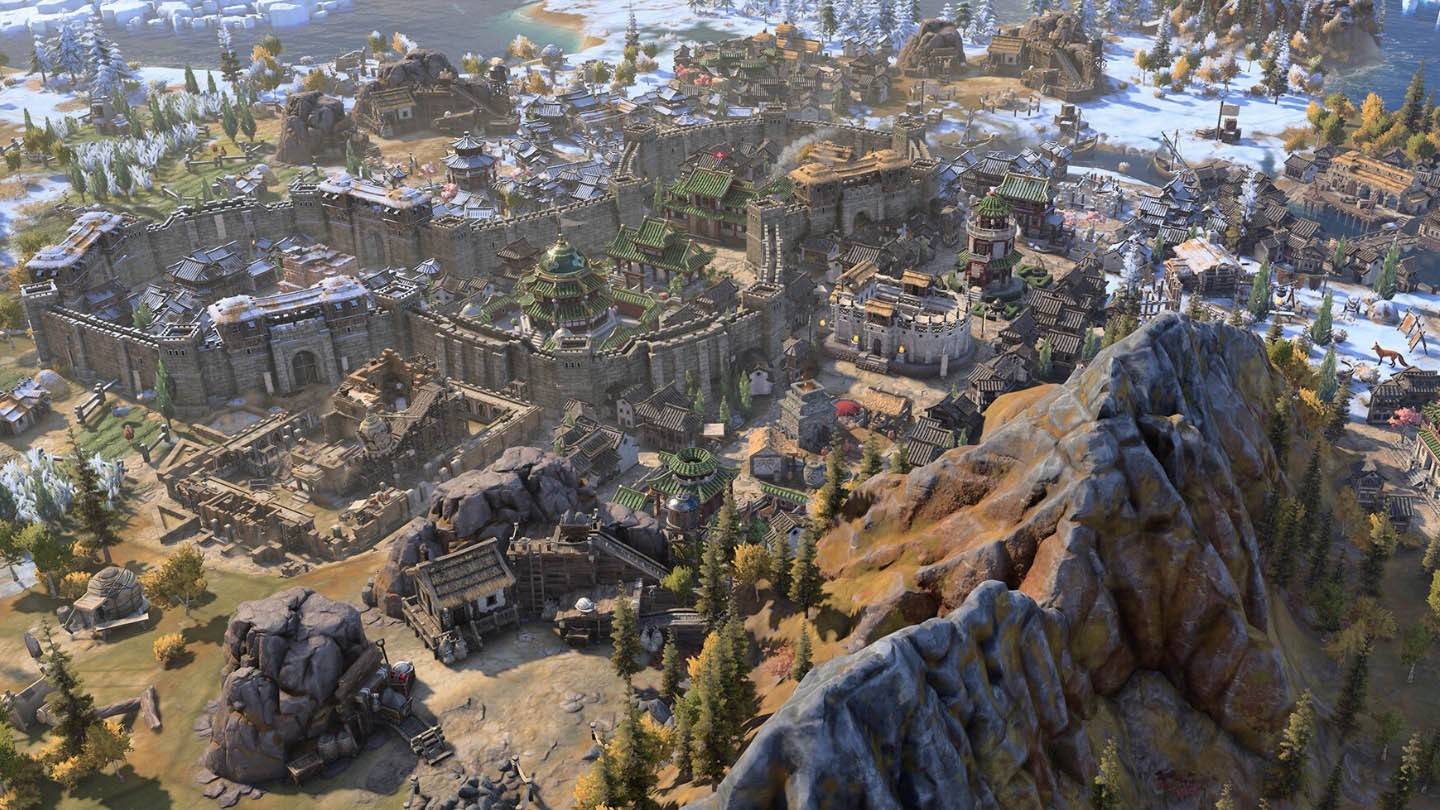
Following a lukewarm reception after its February 11 launch, Civilization 7 is undergoing a critical reassessment by Firaxis Games. The long-anticipated entry in the acclaimed 4X franchise now holds a 47% positive rating on Steam, with players citing a simplified interface, missing features, and insufficient content as primary concerns—despite generally favorable feedback on the core mechanics.
Firaxis has acknowledged the backlash, emphasizing that the game was released in a state requiring significant polish. In response, the studio has committed to a series of targeted updates focused on usability, depth, and player experience.
Key Improvements in Development:
- Multiplayer team creation functionality to enhance co-op and competitive play
- New map types to diversify gameplay and strategic options
- Expanded customization, including deeper religion mechanics and the ability to rename cities and civilizations
- Interface overhaul featuring improved map readability, streamlined menus, and a more intuitive user experience
The first major patch, Update 1.1.0, is scheduled for release in March, bringing balance refinements, quality-of-life enhancements, and critical bug fixes. A full post-launch roadmap remains under development, with promises of additional content drops in the months ahead.
Many reviewers and long-time fans argue that Civilization 7 was released too soon, particularly given its $70 price point—a figure drawing sharp criticism from players who feel the current build doesn’t justify the cost. Series veterans express hope that the promised updates will restore the franchise’s legacy of depth, innovation, and strategic richness.
While skepticism lingers, optimism persists among the core fanbase. With Firaxis prioritizing player feedback and demonstrating a commitment to long-term support, the seventh installment may yet evolve into the franchise’s most refined entry—provided the development team delivers on its promises.
For now, the message is clear: Civilization 7 may not be the game it was meant to be—but with the right improvements, it still has the potential to rise.
This version strengthens the narrative arc (from disappointment to potential redemption), adds context for pricing and player expectations, and positions the game as a work in progress rather than a failure.