Bringing a super-sized canine back from extinction after 12,500 years might sound like the plot of a thrilling movie filled with special effects, but it's a reality thanks to the biotech company Colossal Biosciences. They've successfully used the DNA of the common gray wolf, along with gene-editing and domestic dog surrogates, to bring three dire wolves into existence: Romulus, Remus, and their younger sister, Khaleesi. These magnificent creatures, housed in a secret location in the US, embody the awe-inspiring vision of any Game of Thrones enthusiast—huge, white, and undeniably awesome.
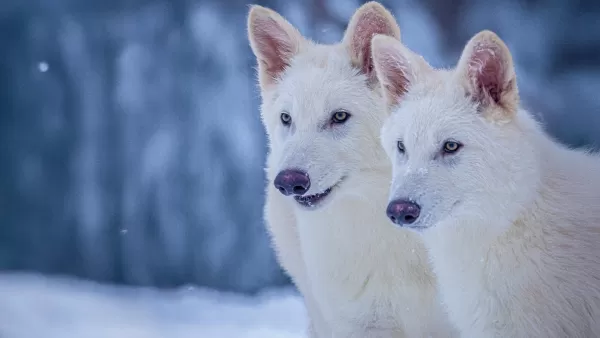 Romulus and Remus at three months old
Ben Lamm, CEO of Colossal Biosciences, expressed immense pride in the team's achievement, stating, “This massive milestone is the first of many coming examples demonstrating that our end-to-end de-extinction technology stack works.” The team's innovative approach involved extracting DNA from a 13,000-year-old tooth and a 72,000-year-old skull to create these healthy dire wolf puppies. Lamm added, “It was once said, ‘any sufficiently advanced technology is indistinguishable from magic.’ Today, our team gets to unveil some of the magic they are working on and its broader impact on conservation.”
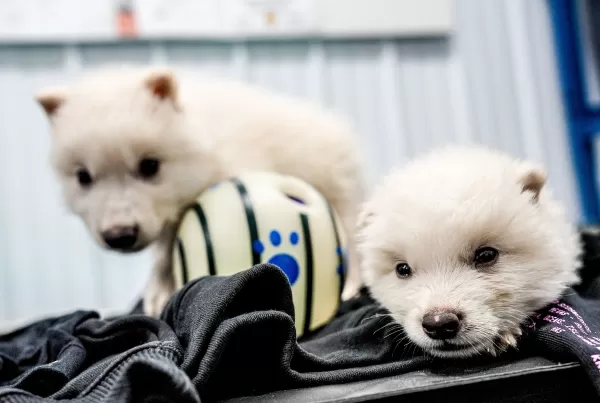 Romulus and Remus at one month old
Colossal Biosciences isn't new to making headlines; they previously engineered a Colossal Woolly Mouse, designed to resemble a mammoth, using computational analysis of various mammoth genomes. However, the company faces criticism from those who argue that the dire wolves are merely wolves in fancy dress, genetically speaking, as the available dire wolf DNA isn't sufficient to create a true genetic clone.
The company's goals extend beyond creating a social media buzz or owning extraordinary pets. Colossal Biosciences aims to use its findings to help preserve current species for future generations. Dr. Christopher Mason, a scientific advisor and board member, emphasized the transformative nature of this work, saying, “The de-extinction of the dire wolf and an end-to-end system for de-extinction is transformative and heralds an entirely new era of human stewardship of life.”
He further explained the broader implications, “The same technologies that created the dire wolf can directly help save a variety of other endangered animals as well. This is an extraordinary technological leap in genetic engineering efforts for both science and for conservation as well as preservation of life, and a wonderful example of the power of biotechnology to protect species, both extant and extinct.”
Colossal Biosciences has collaborated with the American Humane Society and the USDA to ensure the well-being of Romulus, Remus, and Khaleesi on their 2,000+ acre preserve, where they are cared for by a dedicated staff.