
The Amazon Prime animated adaptation of Invincible has sparked renewed enthusiasm for Robert Kirkman's groundbreaking comic world. Blending visceral action, nuanced characterization, and morally complex storytelling, the show rapidly captured audiences' imaginations.
From Page to Screen: Key Variations Between the Animation and Comics
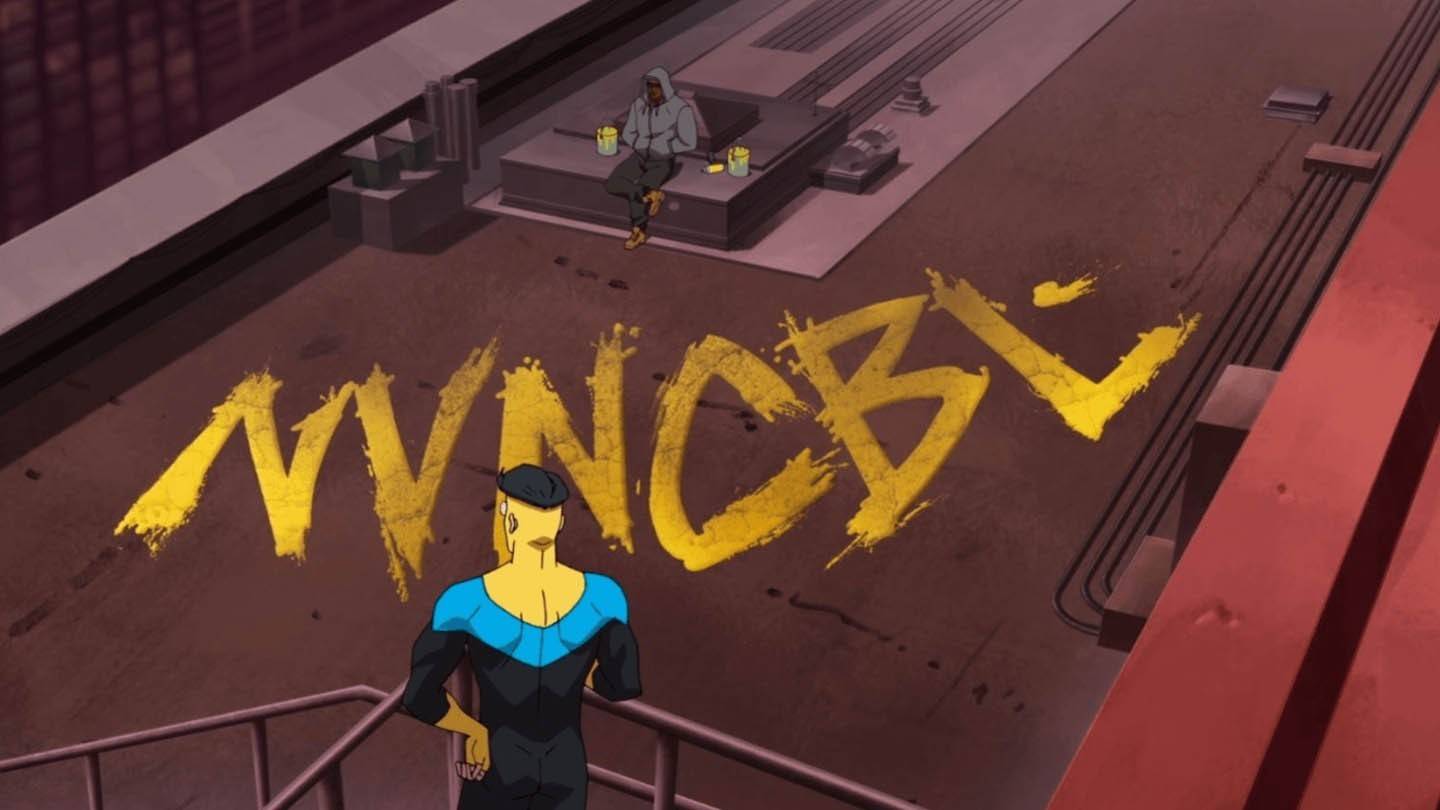
Mark Grayson's Transition: Condensed Versus Measured Development
The comics follow Mark's superhero transformation through painstaking progression, letting readers experience every painful lesson and moral dilemma along his journey. This deliberate pacing enables profound exploration of his character evolution.
The animated version accelerates Mark's growth dramatically, heightening narrative tension while potentially compromising some psychological depth cherished by comic fans. Though effective for episodic storytelling, certain pivotal moments may feel rushed compared to their source material counterparts.
Secondary Character Distribution Spotlighting New Faces
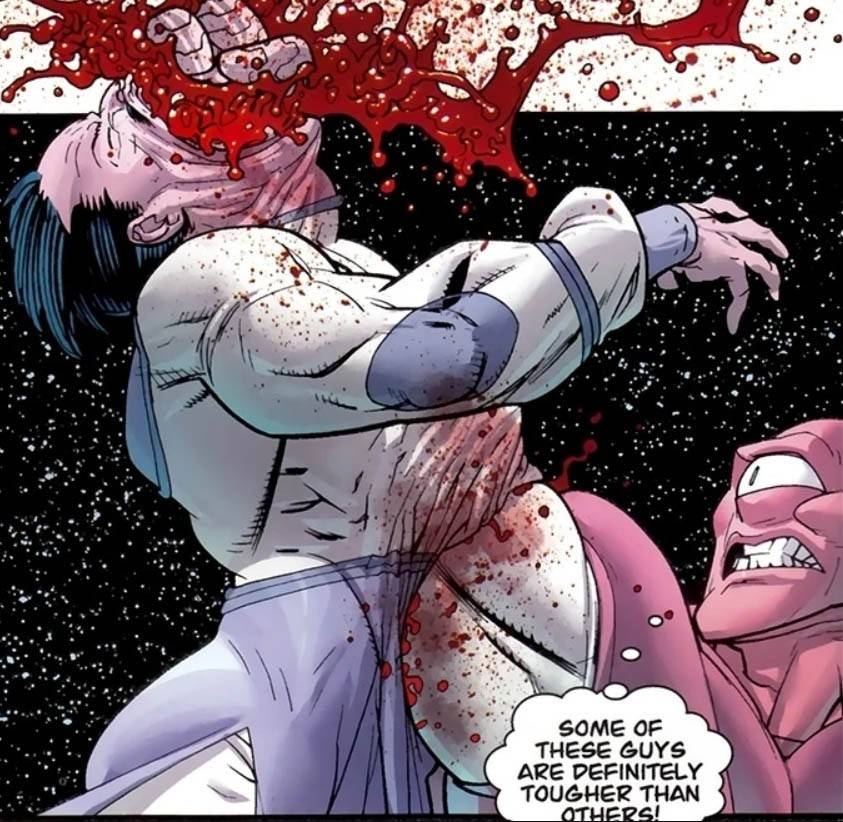
The adaptation strategically rebalances character prominence — humorous cosmic warrior Allen enjoys expanded screen presence contrasted with reduced roles for fan-favorites like Battle Beast. These narrative choices reflect deliberate prioritization for engaging broader audiences.
Villainous Complexity Taking Backseat to Action
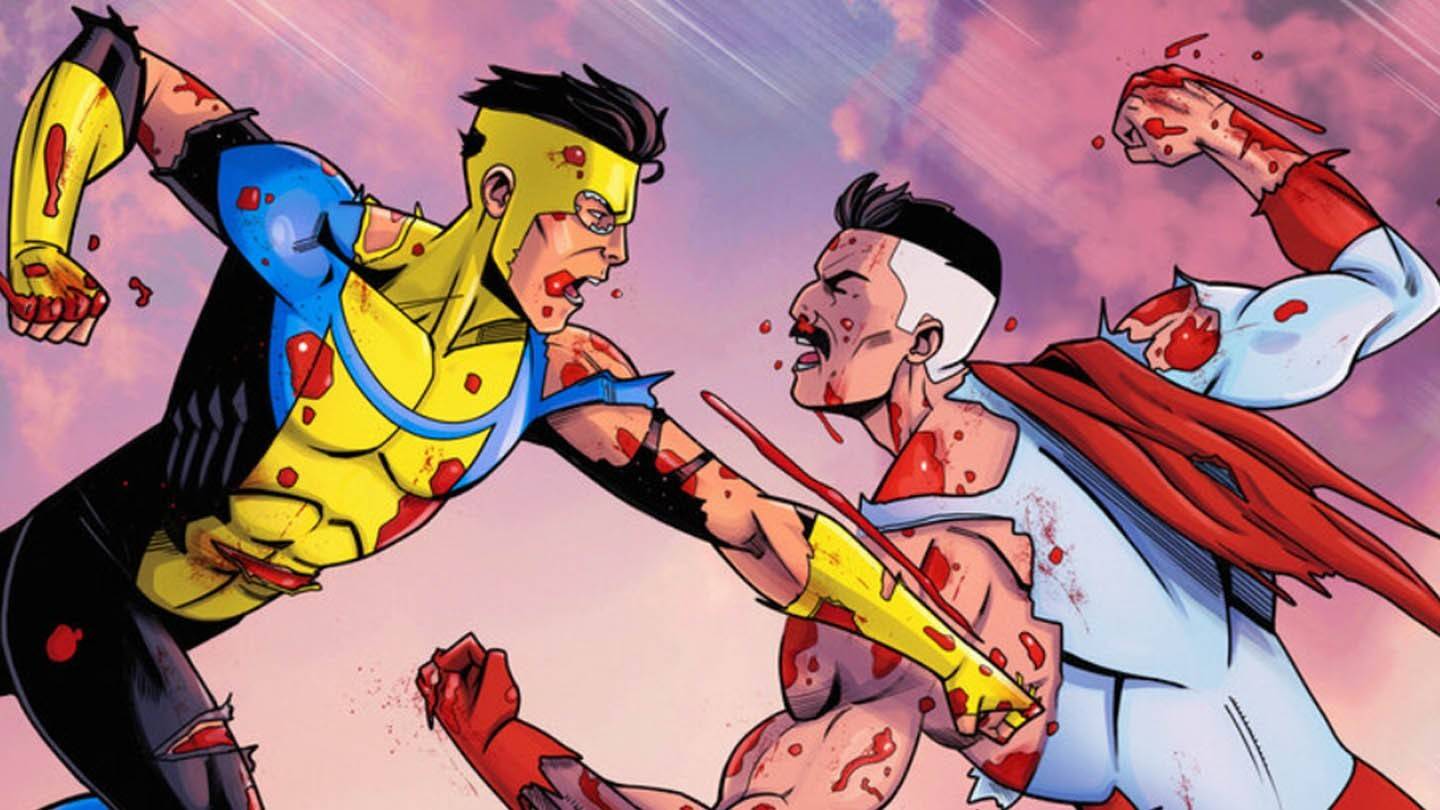
The televised portrayal simplifies adversaries' complex backstories — particularly evident in Omni-Man's shocking betrayal unfolding swiftly rather than through lingering suspicion cultivated across comic issues. While heightening drama, this risks diminishing the villains' psychological depth.
Visual Combat Set Pieces Elevating Engagement
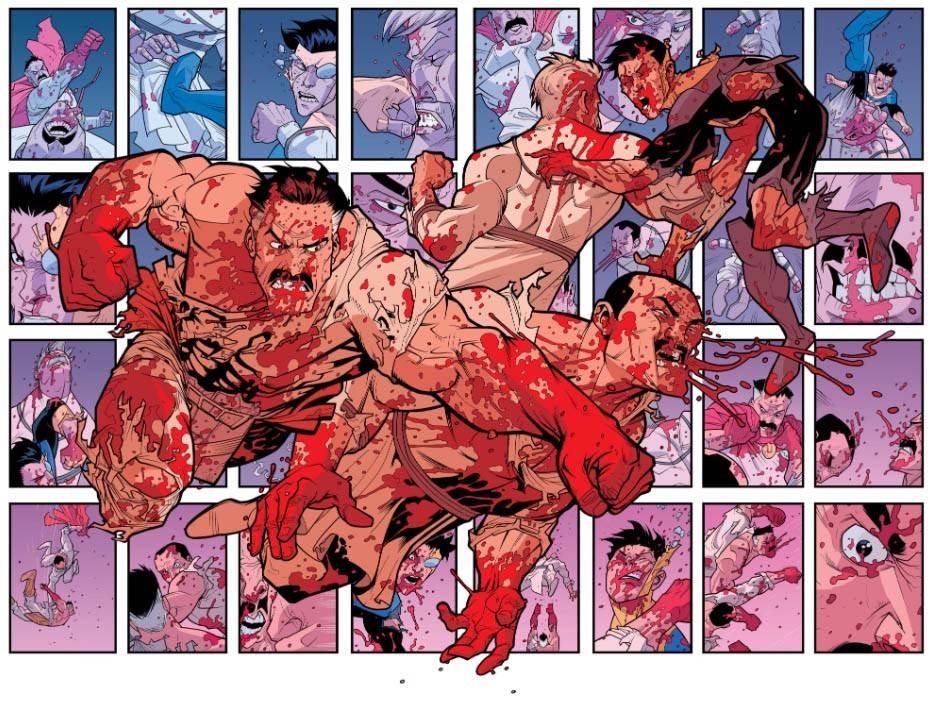
The animation medium unleashes astounding visual potential — Viltrumite battles and Conquest confrontations explode with cinematic intensity surpassing static comic panels. Certain choreographic liberties might diverge from printed versions but ultimately amplify spectacle.
Thematic Focus Prioritizing Ethical Dilemmas
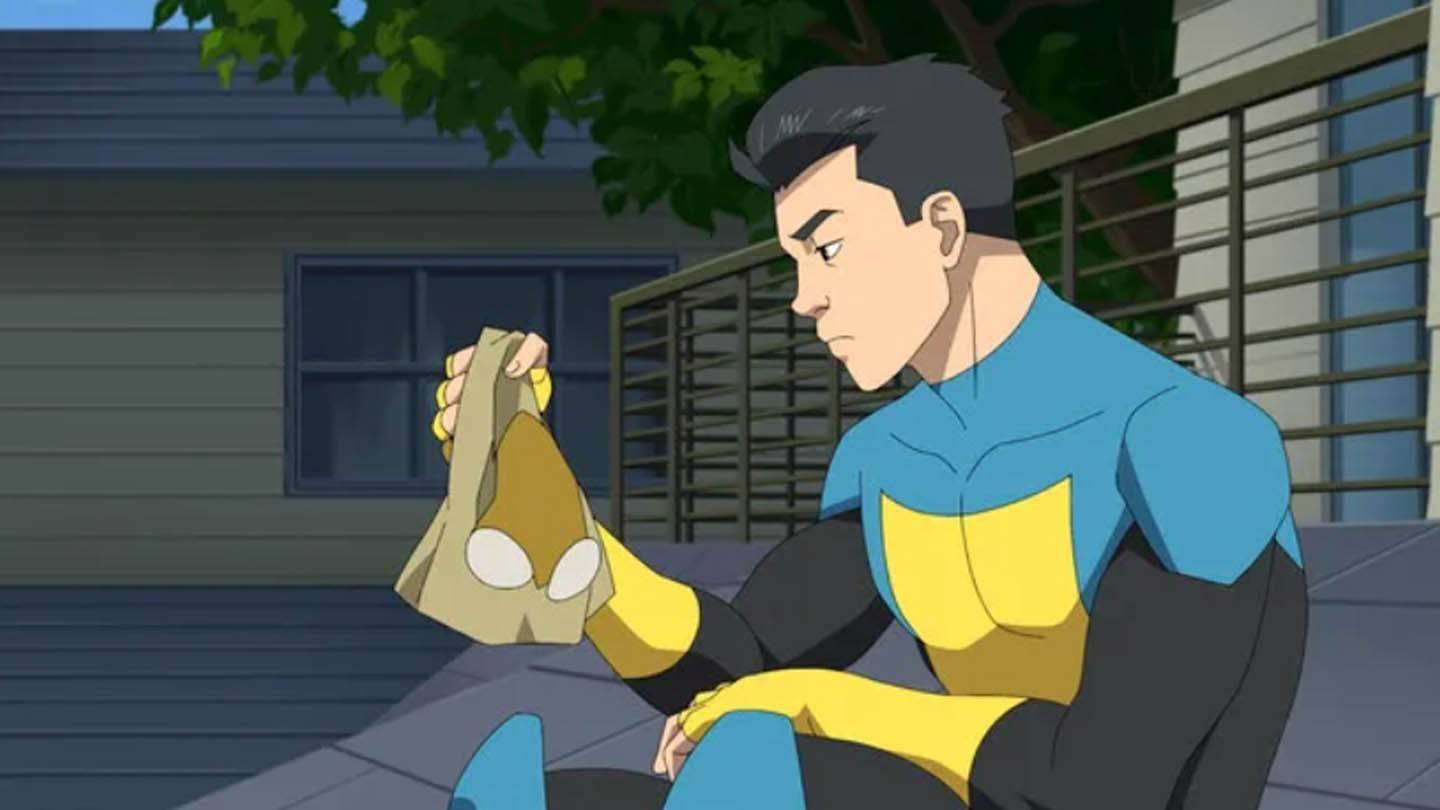
Television's episodic nature spotlights philosophical questions about heroic responsibility and paternal legacies while slightly reducing metaphysical explorations prominent in comics — maintaining accessibility without abandoning profound themes.
Season 3 Critique: Diminishing Returns
Retreaded Narrative Ground Losing Novelty
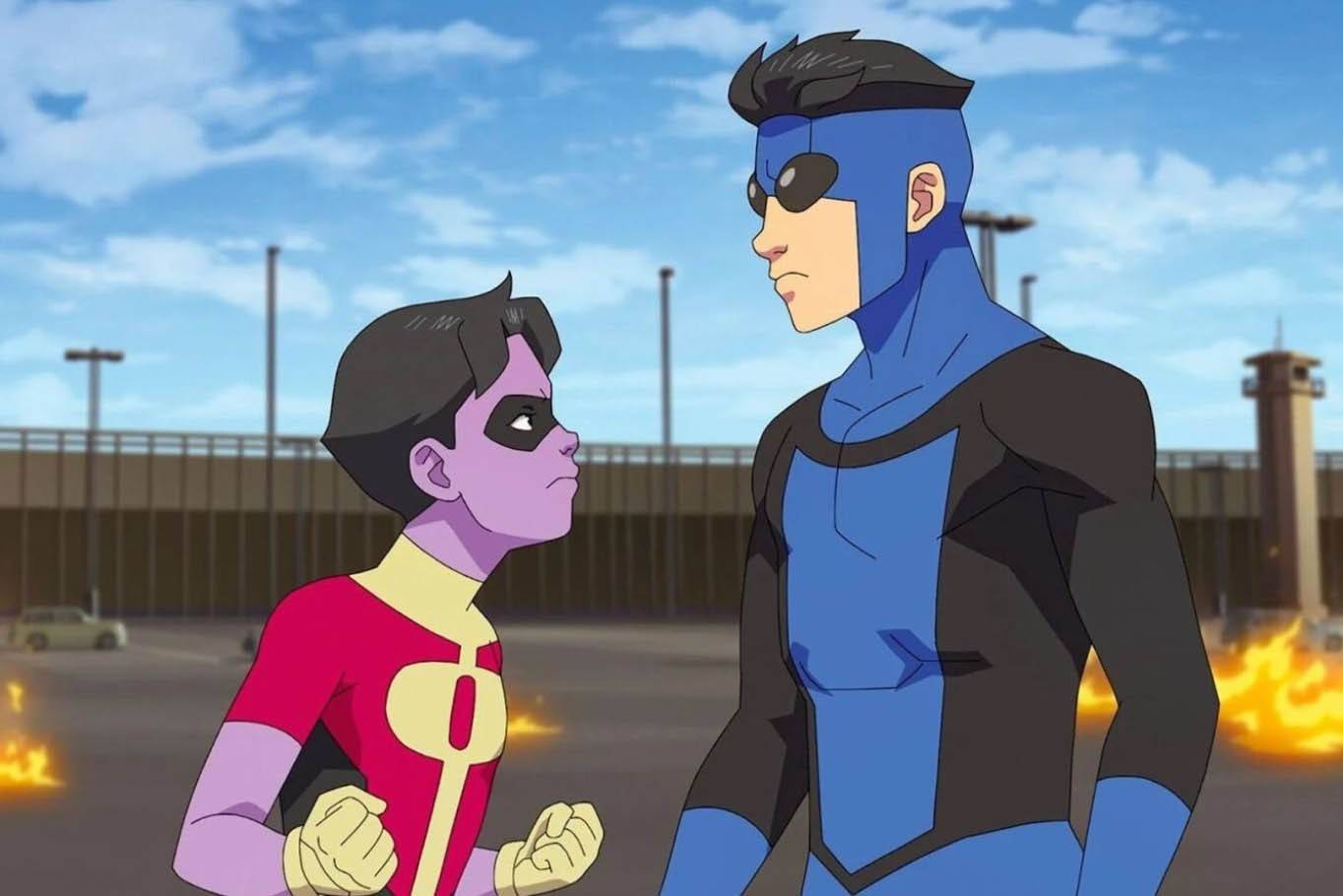
Previously acclaimed for shocking twists (Omni-Man's betrayal, alternate realities), Season 3 revisits familiar territory — particularly Mark's recurring paternal legacy conflicts — without sufficient innovation, dampening narrative momentum.
Cecil's Questionable Character Direction
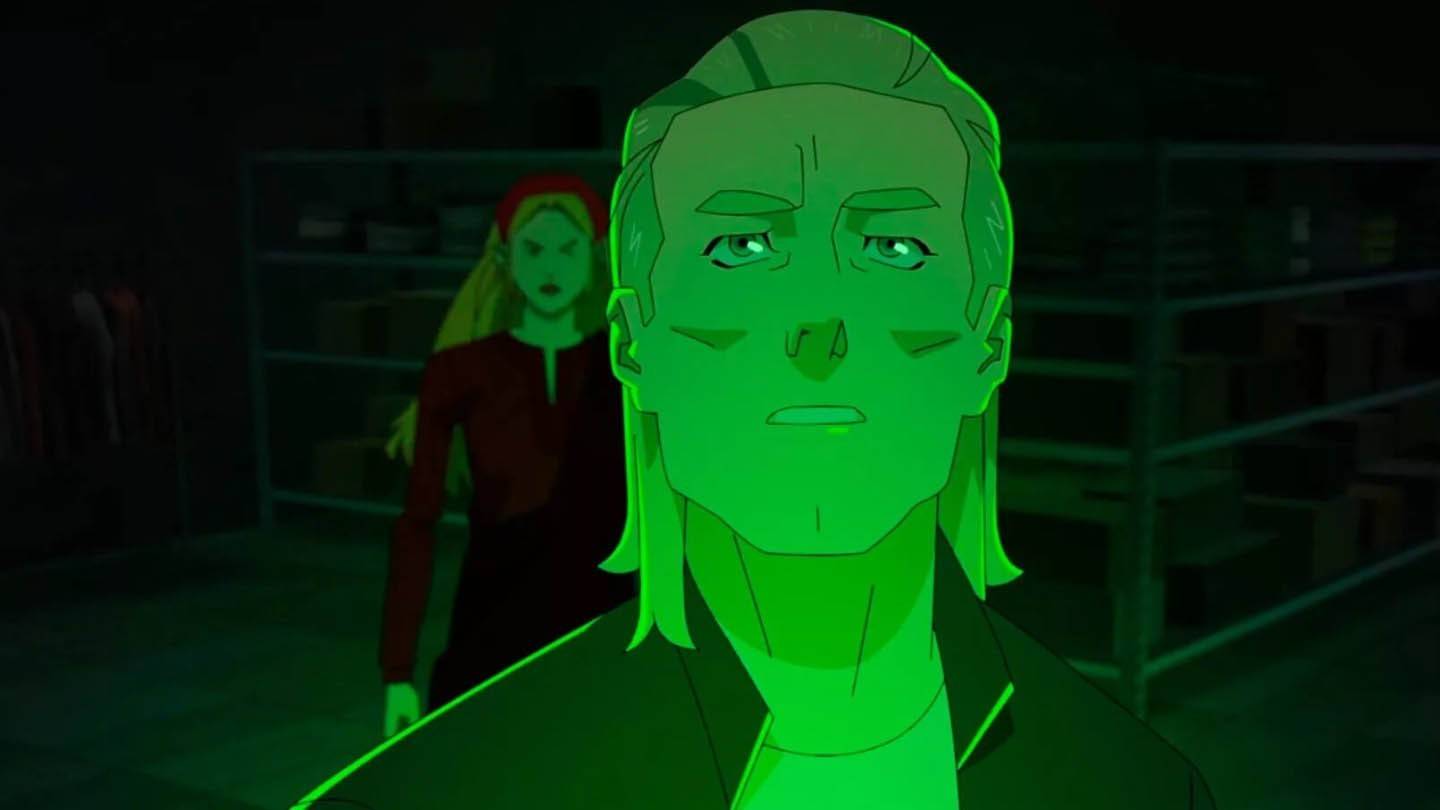
The visionary director's criminal rehabilitation initiative introduces fascinating ethical questions but suffers tonally — Mark's disproportionate outrage clashing with Cecil's idealistic solution undermines dramatic stakes.
Action Fatigue Setting In
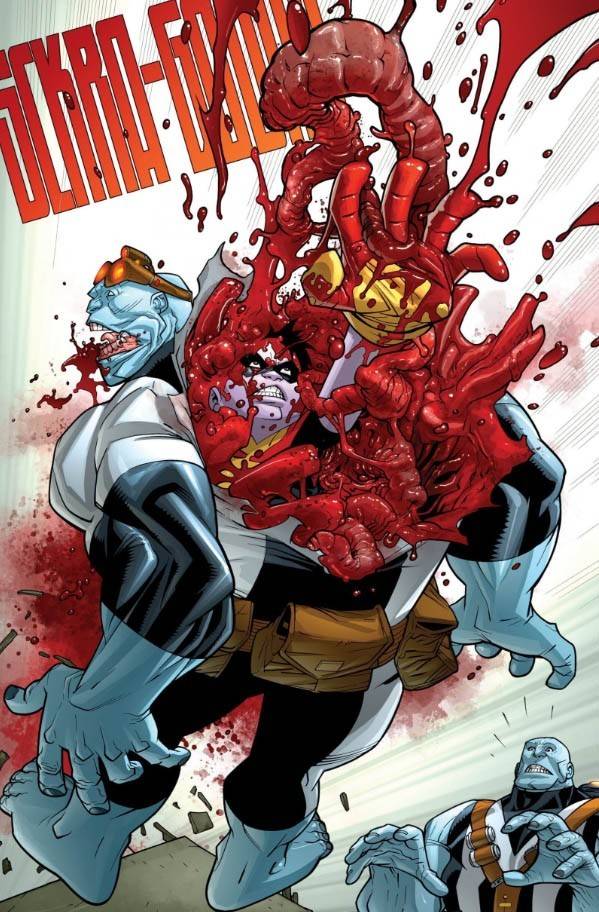
Despite retaining visceral brutality, Season 3's battles lack predecessors' emotional resonance — mechanical adversaries and repetitive confrontations fail to generate equivalent tension to earlier personal vendettas.
Early-Season Pacing Issues
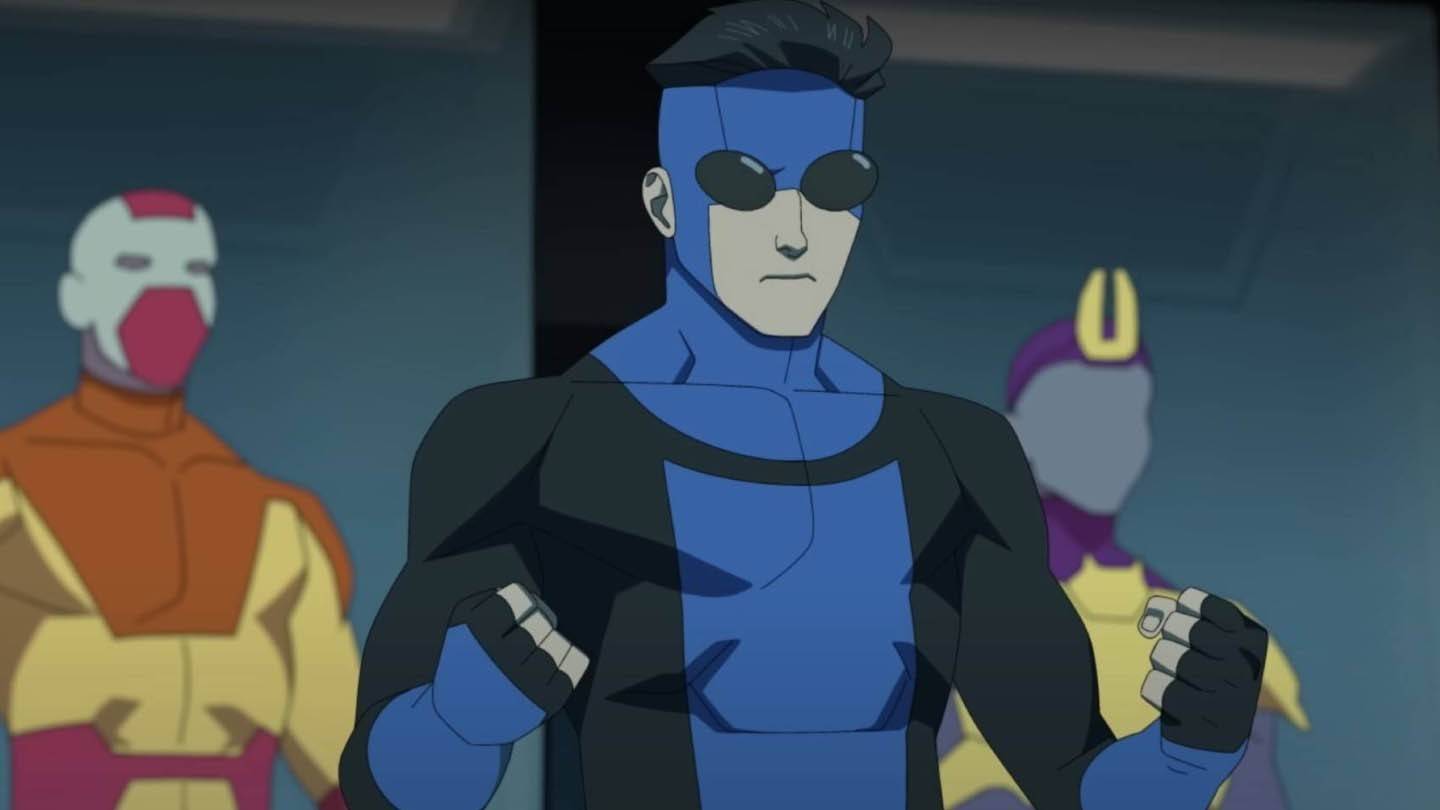
Initial episodes' generic antagonists and uninspired conflicts delay compelling developments, frustrating viewers anticipating the series' signature explosive openings — momentum eventually builds, but audience engagement suffers.
Striking Creative Balance
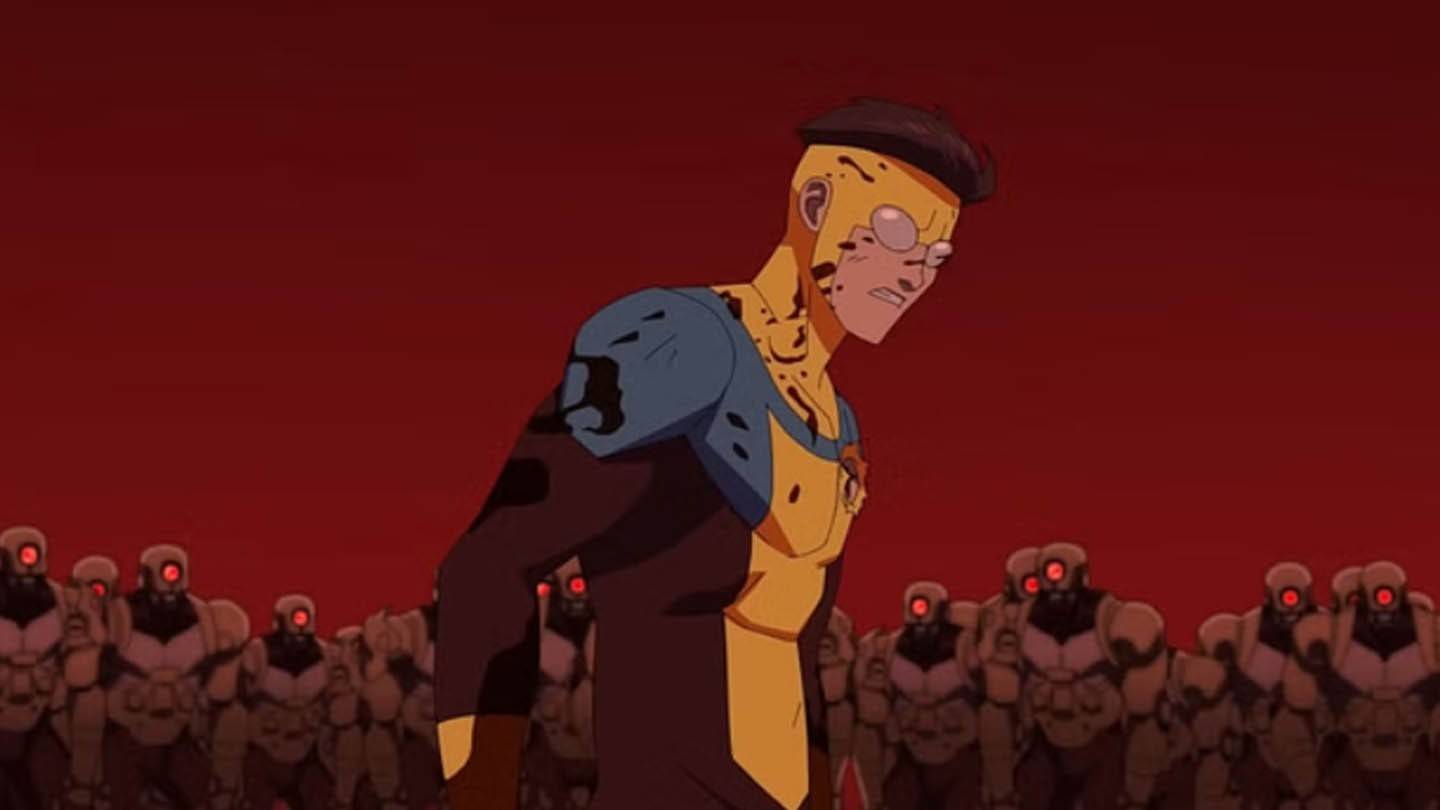
The series successfully translates Kirkman's vision while making necessary adjustments for episodic formats — compressing timelines, reshuffling character importance, and amplifying action sequences create distinct experiences honoring source material.
Yet Season 3 demonstrates adaptation pitfalls — overdependence on established formulas threatens originality. Future installments must rediscover the bold reinvention that initially distinguished this acclaimed translation from page to screen.
Value Despite Shortcomings
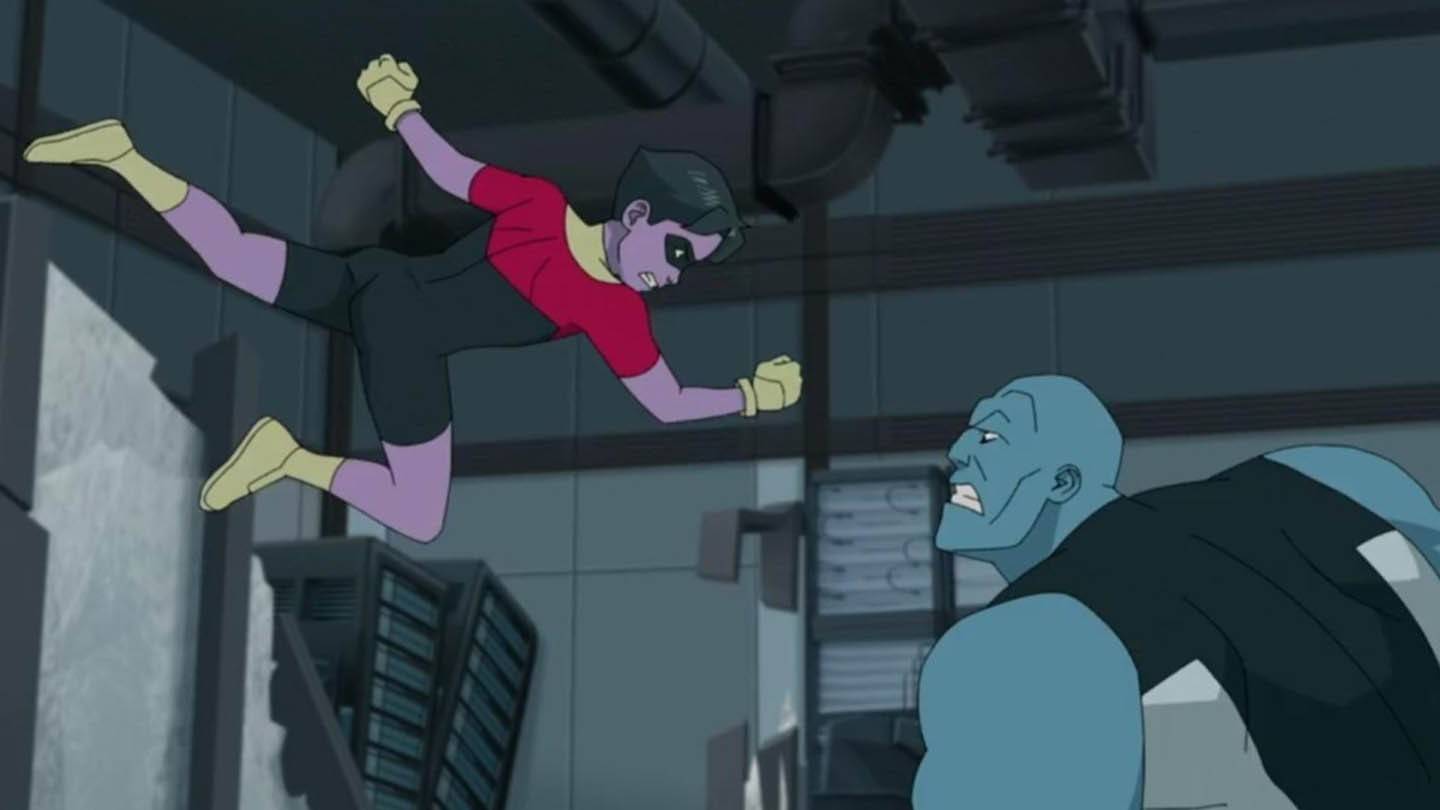
Despite narrative stumbles, Invincible retains compelling merits — breathtaking animation, morally complex relationships, and shocking moments still deliver entertainment value worthy of established fans' continued following.
The remaining question remains whether subsequent episodes can reconcile rigid comic adherence with necessary creative originality — only time will determine if this adaptation can reclaim its former brilliance.